

Why I Wrote About Ancestral Mummies for "Penumbra"
- dmitriakers
- Mar 21, 2025
- 4 min read
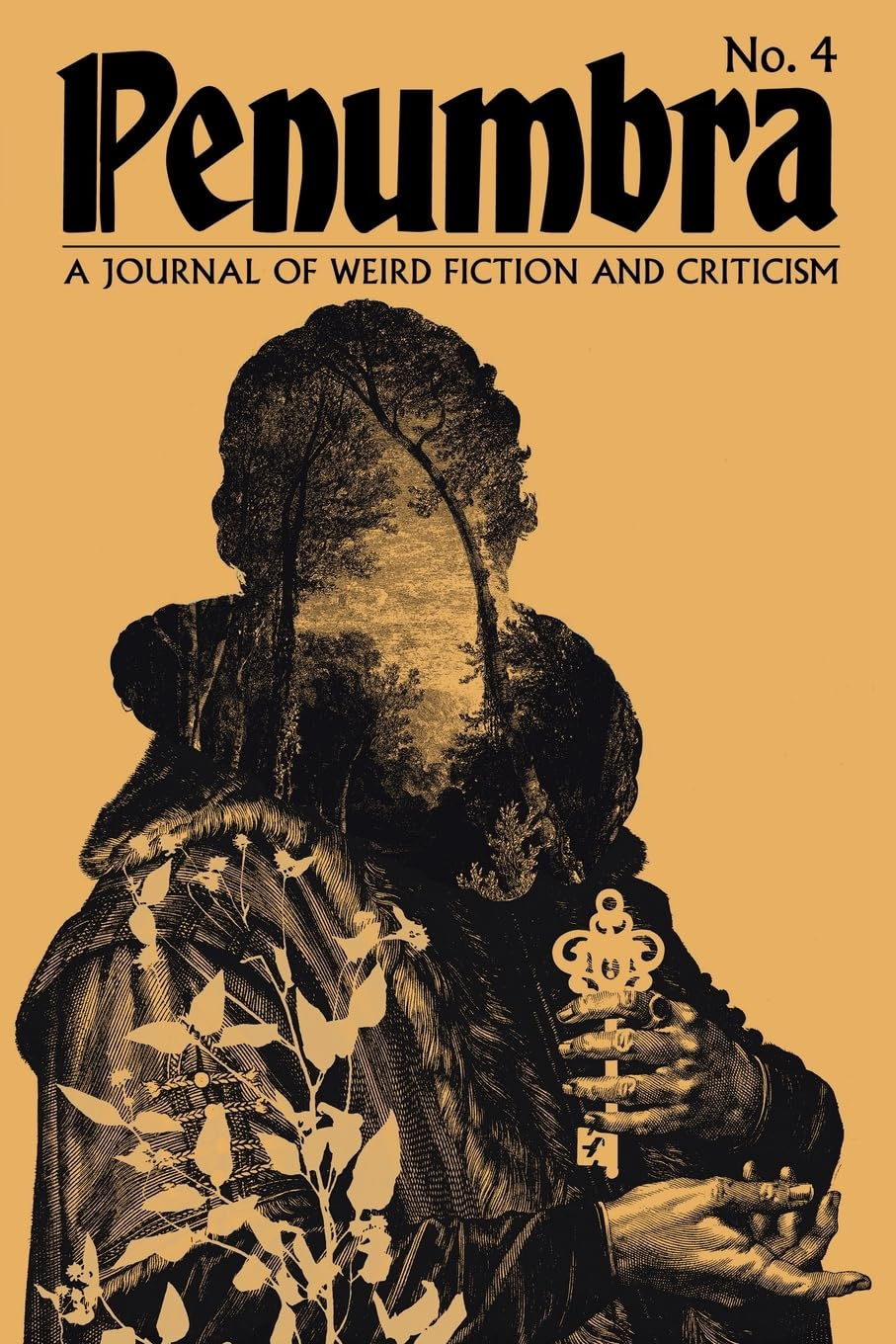
As some may know, I recently shifted from formal poetry and weird verse, to short fiction. When my very first short story, "When Mount Pulag Awoke," came out in S.T. Joshi's Penumbra 4 (published by Hippocampus Press), my feelings were high. I was proud, almost ecstatic. Not only had I written a weird horror story, something I had dreamed of since first reading H.P. Lovecraft in my teenage years, I was able to bring it together with a remembrance of my ancestry.
Although I may not look it on the surface, my grandmother (through my mother) is an Ibaloi woman from Kabayan, Benguet, in the once "untamed" part of the Philippines. The Spanish were unable to conquer these regions and could not convert the population to Catholicism, nor western ways of life; this was a source of inspiration for a weird horror story.
This may horrify some westerners, even to this day, but Kabayan and surrounds are filled with ancestral mummies. The tribes there, known only as headhunters and savages to the West, still used their traditional practices well into the 20th century. Now, the mummies are protected under UNESCO and maintained for the good of mankind and for cultural preservation.
Tribes near my grandmother's area continue to preserve the mummies in museums and caves, despite efforts to plunder them by tourists or criminals or black-market collectors! There are also often conflicting accounts about the origin of the mummies. People must remember that many tribes have their own languages and their own stories and myths; these run congruent of another and it is hard to say who is correct or who has the last say. In my experience, one tribe says one thing; another says another. But my grandmother's grandfather, my own great-great grandfather, was a storyteller and witch doctor in the region; this means he held onto origin stories and oral traditions himself.

The process of mummification is not limited to indigenous peoples in the Philippines. It is a shared experience throughout the globe, from the well-known pharaohs of Ancient Egypt, to Mongolia and China, to cave mummies in America (like the Spirit Cave Mummies of Nevada). However, I am not an expert on these. What I do know is that the practice began in the Ibaloi tribe, as it is rumoured through stories, with the first mummy: Apo Anno (or chief Anno).
He was told how to mummify in the humid climes of forested mountains through various methods: draining body liquids, drinking solutions of salted water, embalming with various pastes, drying the bodies out by a house. By the way, "Ibaloi" can be translated as "house dweller"; the tribe also mined gold and had jewellery for gold teeth!

I explore how indigenous tribes existed and lived in what is now called the Philippines (after the Spanish monarch, Philip II) prior to Spanish and American country in the story, this story which centres around a tobacco and gold expedition led by two Spanish commanders. An alcalde, Don Manuel, and a Catholic priest, Pedro Vivar. They lead an entourage of left-over conquistadores (not quite, just armoured Spanish soldiers) and lowland mercenaries.
To create a narrative conflict, I exaggerate how Don Manuel wishes for gold and the priest wishes for conversion of the petulant "infieles" -- but this is used for the sake of storytelling, an embellishment on my part. For more realistic historical research, see Dr Michael Armand P. Canilao's anthropological and geographical research on the once mythic village of Tonglo (here). For more, also see the research coming out of the University of Baguio, which has indigenous peoples running journals and research projects. These vistas of indigenous knowledge inspired the short story in Penumbra. I blended these inspirations with the general style and structure of weird horror stories (a la Edgar Allan Poe, H.P. Lovecraft, and Clark Ashton Smith). Finally, I mixed this concoction with my own imagination, as well as the remembrance of folktales and stories I heard from my grandmother.

Often, more than not, the native tribes of the central and northern mountains of Luzon would band together to throw out any Christian, Spanish, or Western influence. There were many tales of bloody wars and wild battles; this I have incorporated into the story with spiritual and supernatural elements. Read it here. I must thank S.T. Joshi and Derrick Hussey for giving me a platform to explore this important aspect of my ancestry, personal history, and self / identity. It is an awkward and hard one to put in words, and the only way I could is through weird horror fiction.
A key to why I chose horror, specifically in the weird tradition, is due to my background in so-called "pagan," animist, and non-Christian identity! This might make sense if you realize the stigmatizing gaze of the West onto my ancestors, who they deemed "cannibals" and "infidels" and "savages," fit only for conquest or conversion.

I am very grateful to explore the horrors of colonialism in the story, and I hope the resolution makes sense to the readers. There are more forthcoming short stories coming out this year. I hope to sit down and write more in 2025, especially about the Philippines, a place I have visited and think fondly of in my childhood memories.


Comments